
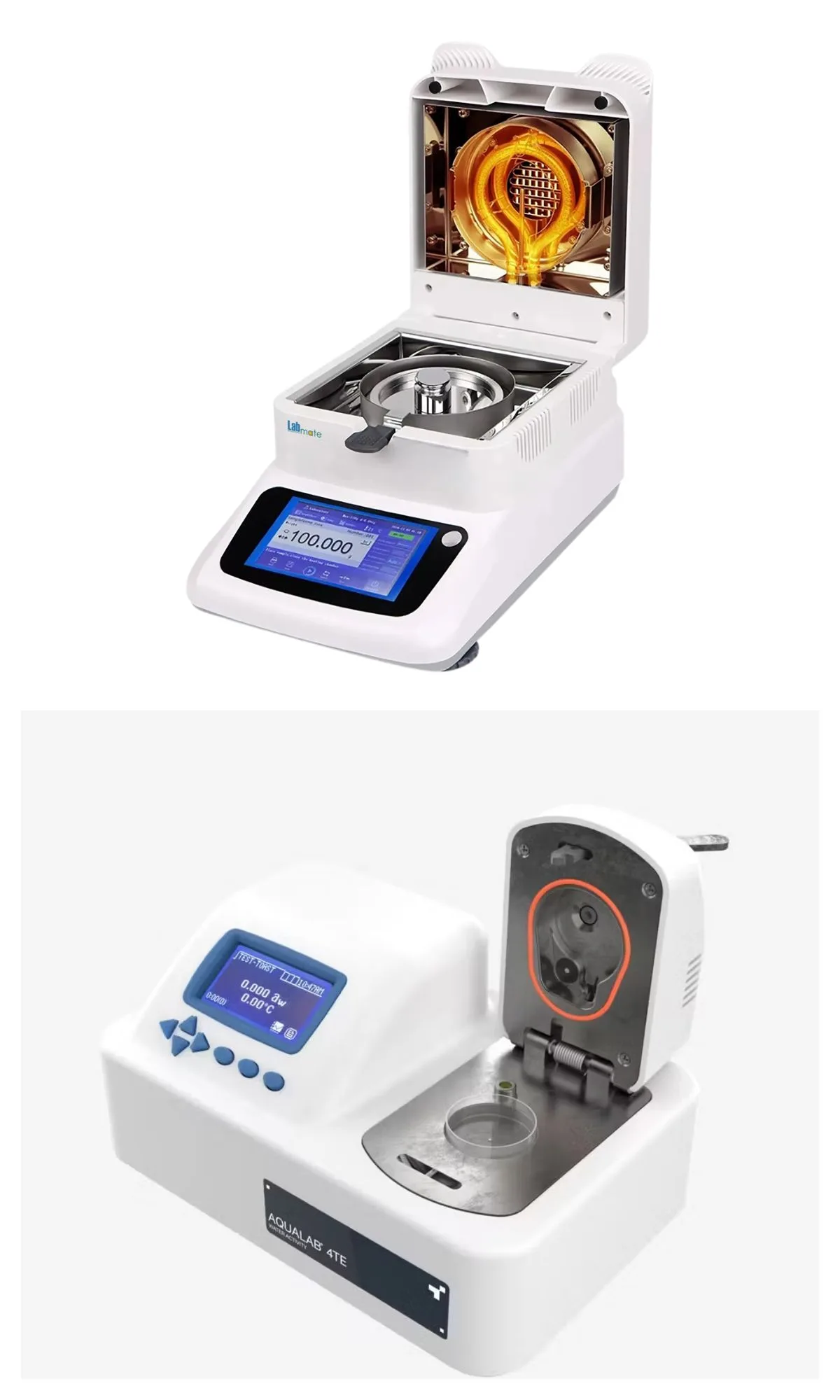
What moisture and water activity keep freeze-dried sapodilla crisp from factory to shelf?
Write moisture ≤5.0% and water activity (aw) ≤0.30 into the contract, and ask your supplier where they release. FruitBuys releases freeze-dried sapodilla at ≤4.0% moisture and aw ≤0.25, a full step inside the contract limit, because sapodilla goes into the freeze dryer at 18–24 °Brix, sweeter than most fruit. Sugar is what pulls water back out of the air. A lot released right at the limit can arrive soft after a humid port and a warm warehouse; a lot released with a buffer still snaps when your line opens the bag. That buffer, plus a bag sized to your batch, is what keeps sticky lots and claims out of your QA file.
How does FruitBuys keep a high-sugar fruit crisp in a tropical climate?
By controlling it from the freezer to the bag, because sugar decides how fast the fruit changes once air gets in. Freeze-drying removes water by turning ice straight into vapour, so the fruit keeps an open, sponge-like structure with the sugars spread across a huge internal surface. In a fruit as sweet as sapodilla, which goes into the dryer at 18–24 °Brix, that surface is mostly natural sugar, and natural sugar is hygroscopic: it draws moisture from humid air. As it does, the glassy, crisp structure softens, the wedge surface turns tacky and pieces start to stick to each other.
That is the same sweetness that makes the product sell. It gives sapodilla its caramel taste with no sugar added, and it is why the right controls matter more here than with a tart fruit. FruitBuys manages it at three points:
- At the freezer: prepared wedges are blast-frozen at −35 to −40 °C until the core is below −30 °C, so the sugar-rich flesh is locked solid before any water leaves.
- At the dryer: sublimation runs under deep vacuum (below 0.5 mbar) for 18–24 hours with shelf heat held at or below 50–55 °C. Above about 60 °C the natural sugar starts to soften and caramelise, and the wedge would shrink instead of staying open and crisp. Held below that line, the wedge keeps its golden-tan colour and fresh malt aroma, so the first bite tastes like ripe sapodilla rather than toasted sugar. Each lot is dried to aw ≤0.25, so the product starts its journey with headroom.
- At packing: the packing room is held at 20–24 °C and RH ≤35–40%, and each batch is bagged within 20 minutes of leaving the dryer, straight into a sealed foil barrier with silica gel.
- In the bag: bulk bags hold 1–5 kg, sized to one mixing batch on your line. Your team opens a bag and tips the whole bag into the hopper, so no product sits half-exposed on the production floor.
The commercial result is visible on your dock. A sapodilla wedge at aw 0.25 rattles in the bag and breaks with a clean crack. The same wedge after a few weeks above 0.35 bends, sticks to the next one and smears in the dosing head. One line in the contract is the difference between a reorder and a credit note.
Which numbers go into your specification?
Put two numbers side by side: the release target, which is how dry FruitBuys ships every lot, and the contract ceiling your QA team accepts against. The gap between them is the humidity buffer that protects you on the way.
| Parameter | Contract limit | FruitBuys release target | What it protects |
|---|---|---|---|
| Moisture | ≤5.0% | ≤4.0% | You pay for sapodilla solids, not shipped water |
| Water activity | ≤0.30 (ISO 18787:2017) | ≤0.25 | Wedges stay crisp and loose in the bag |
| Total plate count | ≤10⁴ CFU/g | Released only against the lot COA | Ready-to-eat use as snack, topping or inclusion |
| Yeasts and moulds | ≤10² CFU/g | Released only against the lot COA | No spoilage once the pack reaches the shelf |
| E. coli | <10 CFU/g (ISO 16649-2) | Released only against the lot COA | Hygiene of hand-peeling, deseeding and cutting |
| Salmonella | Not detected / 25 g (ISO 6579-1) | Released only against the lot COA | Release condition for ready-to-eat food |
| Size and fines (3 mm screen) | ≥85% on size; dice ≤3–5%, wedges ≤5–8%, slices ≤8–10% | Hand-sorted; every carton through a metal detector | Pack-out yield and dosing |
| Colour and taste | Tan to light caramel, brown-sugar notes, matched to the approved sample | Every lot checked against the approved sample before loading | What the shopper notices first |
Moisture tells you how much water is left. Water activity tells you how free that water is to move, and that decides texture and whether microbes can grow. At aw ≤0.30 nothing grows, which is why freeze-dried sapodilla needs no preservative: the ingredient line stays “sapodilla” and nothing else.
Which tests travel with every container?
On full-container orders, every lot ships with a lot COA from an independent ISO/IEC 17025 accredited third-party laboratory for moisture, water activity, total plate count, yeasts and moulds, E. coli and Salmonella. Those six numbers cover what changes from lot to lot: dryness, hygiene and food safety.
Lead, arsenic and aflatoxin reflect the growing area and the process rather than an individual lot, so they are covered by FruitBuys’ periodic independent baseline surveillance; reports with methods and detection limits are available on request for your supplier approval file.
Market panels go beyond the standard set when your destination calls for them: pesticide multi-residue to EU or US limits, cadmium, Listeria, Enterobacteriaceae, ethylene oxide, sulfite and a nutrition panel. On a full-container contract, FruitBuys coordinates them before the container is stuffed, so results are in your QA file before the ship sails. Plan 3–5 working days of lab time into the booking date.
Trial and LCL orders ship with a free release QC log for each batch (moisture, aw and sensory) plus the baseline surveillance reports, so your R&D trial starts the day the carton arrives. If your QA policy requires independent testing on a trial lot, FruitBuys arranges it at net laboratory cost and credits the full fee to your first full container.
One request worth making of every supplier, including us: ask for water activity as a measured number on the COA, not “pass”. That single figure tells your team more about how the lot will behave in your warehouse than anything else on the sheet.
How do the pre-shipment sample and retained sample protect you?
They tie the container you receive to the sample you approved. Before loading, FruitBuys sends a pre-shipment sample of 100–200 g taken from the packed lot, split into two sealed foil pouches with desiccant: one for your sensory and snap test, one kept sealed for your laboratory. Approve it, and that sample becomes the colour, taste and texture standard the container is loaded against. Write “as approved pre-shipment sample” into the specification instead of a vague “natural colour”.
FruitBuys also keeps a retained sample from every container lot for its full shelf life, up to 24 months. If a question comes up months later in your warehouse or on a retailer’s shelf, both sides test the same lot from the same seal.
Consistency across a whole contract year comes from one more commitment: one processing line runs your programme for the full contract year, on the same FruitBuys process standard, and your team is welcome to audit it on site. Your second, fifth and tenth container come off the same line as the first.
Which bag, desiccant and storage conditions hold 12 and 18–24 months?
The pack does most of the work. Every bulk bag is a PET/AL/LLDPE laminate, 100–120 µm, with a true aluminium-foil layer that blocks moisture and light. Bags are gently vacuumed so they sit flat in the carton and sealed with 50–100 g of food-grade silica gel. FruitBuys does not nitrogen-flush: an inflated bag wastes carton space, raises freight cost and risks cracking the foil and crushing the wedges inside a packed carton.
| Storage condition | Shelf life in the original unopened bag |
|---|---|
| ≤25 °C, RH ≤60% | 12 months |
| ≤18 °C, RH ≤50% (cool storage) | 18–24 months |
Freeze-dried sapodilla ships in a standard dry container, no reefer needed. The container risk to plan for is condensation on long or monsoon-season routes. FruitBuys floor-loads the 58 × 28 × 34 cm carton in straight columns, usually seven layers for about 550 cartons per 20 ft; on routes where container rain is a concern, ask for a six-layer load, which leaves a clear roof gap of about 35 cm above the cartons.
Retail packs follow the same rule. If your brand repacks into 30–100 g pouches, use a high-barrier laminate with its own desiccant, and run an accelerated shelf-life study on your final pack before you print a date beyond 12 months; FruitBuys runs that study as a service for private-label programmes.
What should you check at devanning?
A lot released at aw 0.25 and sealed in foil should open at your dock exactly as it left Vietnam: wedges that rattle in the bag and break with a clean crack. A short receiving routine lets your QA team confirm that in minutes and sign the lot into stock. Within 48–72 hours of devanning, your team:
- Photographs the container interior and cartons as found, before unloading further.
- Opens two or three sealed bags from different rows and checks snap, colour and taste against the approved sample.
- Reads water activity on a freshly opened bag: a lot released at 0.25 sits well inside the 0.30 contract limit.
- Shakes a weighed portion over a 3 mm screen and checks fines against the tolerance for your cut.
If anything looks different from the approved sample, tell FruitBuys within 14 days of devanning (or within 30 days for laboratory results). FruitBuys tests the retained sample from the same lot alongside yours and settles the answer on data. Photographs of the container and sealed bags taken on arrival are also what your marine insurer would ask for in the rare case a container takes on moisture at sea.
Set your specification with this table
| Your situation | What to write into the spec |
|---|---|
| Retail snack pouch or gift pack | All six COA parameters per lot; aw ≤0.30 as acceptance figure; colour and taste as approved sample; high-barrier pouch with desiccant |
| Cereal, granola or trail mix (no further heat) | Same ready-to-eat limits; dice at ≤3–5% fines for clean dosing |
| Chocolate or coated bars | Same limits; add the fruit to the fat phase, where it stays crisp |
| Bakery inclusion | Same ready-to-eat limits; fold in after baking, or add to the top of the bake late, to keep the caramel note fresh |
| Yogurt or milk-based product | Same limits; pack as a separate topper or add at the point of eating |
| Hot, humid destination (Gulf, Southeast Asia) | Accept on aw; store at ≤25 °C, RH ≤60% from devanning; ask for a six-layer container load |
| EU destination | Add the pesticide multi-residue panel before stuffing |
| Private label with a long printed date | Add an accelerated shelf-life study on your final pack |
Your QA team can approve the supplier before the sample lands with one document set: the specification, a COA template for a container lot and the baseline surveillance reports. The freeze-dried sapodilla product page has the full specification, and what to check before buying freeze-dried sapodilla in bulk covers the rest of the supplier checklist.
FAQ
What water activity should freeze-dried sapodilla have?
At or below 0.30 in the contract. FruitBuys releases at 0.25 or lower, so the wedges keep a buffer against humid air on the way to you.
Why is sapodilla more sensitive to humidity than other freeze-dried fruits?
It goes into the dryer at 18–24 °Brix, so its dry structure is rich in natural sugar, and sugar draws moisture from air. Tight aw at release and a sealed foil bag with silica gel keep it crisp.
Which tests come with each container?
A lot COA from an independent ISO/IEC 17025 accredited laboratory for moisture, water activity, total plate count, yeasts and moulds, E. coli and Salmonella. Lead, arsenic and aflatoxin are covered by periodic baseline surveillance.
Is any preservative or sulfite used?
No. At aw ≤0.30 the fruit is shelf-stable on its own; the ingredient line is 100% sapodilla.
How long does it keep?
12 months at ≤25 °C and RH ≤60%; 18–24 months in cool storage at ≤18 °C and RH ≤50%, in the unopened bag with desiccant.
Does it need a refrigerated container?
No. It ships in a standard dry container. For long or monsoon-season routes, ask for a six-layer load to keep a roof gap above the cartons.
How is a question about a lot resolved?
Tell FruitBuys within 14 days of devanning for appearance, fines or water activity, or within 30 days for laboratory results. FruitBuys tests the retained sample from your lot alongside yours, so the answer rests on the same lot and the same seal.
About the author
Udo Nguyen is CEO at FruitBuys Vietnam. He coordinates sapodilla sourcing with partner orchards in the Mekong Delta, freeze-drying and milling at qualified partner facilities, and the specifications, loading plans and export documents that importers and food brands use to set their landed cost.



