
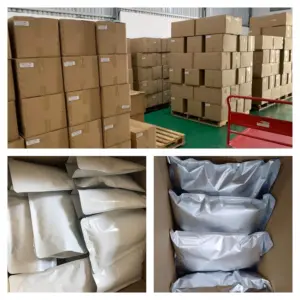
How long does freeze-dried coconut last, and how should it be packed and stored?
Sealed in its foil bag with desiccant, freeze-dried coconut keeps 12 months at ≤25 °C, RH ≤60%, and 18–24 months in cool storage at ≤18 °C, RH ≤50%. It needs no cold chain: it ships in a standard dry container and sits in an ordinary dry warehouse. For a distributor, that means you can buy a full container, hold stock across a selling season and still deliver crisp, white coconut to the last customer. The two things that shorten that life are moisture and warmth, and both are handled by the pack and a few warehouse habits.
How long does freeze-dried coconut last, sealed and opened?
| Condition | Keeps crisp and fresh |
|---|---|
| Sealed foil bag with desiccant, ≤25 °C, RH ≤60% | 12 months |
| Sealed foil bag with desiccant, ≤18 °C, RH ≤50% | 18–24 months |
| Opened bulk bag, resealed with its desiccant, cool and dry | 2–4 weeks for full crunch |
| Pieces left open in humid air | Hours before they soften |
Private-label brands that want a date tied to their own pouch can add an accelerated shelf-life study on the final pack as a FruitBuys service.
For opened bags, pick a bulk bag size that matches one production batch, from 1 to 5 kg. Open a bag, use the whole bag. If a bag must be resealed, press out the air, heat-seal or clip it with the original desiccant inside, and keep it off the floor of a damp store.
What is in the bulk pack, and when is a nitrogen flush worth adding?
The standard pack is built against moisture, because moisture is what ends coconut’s crunch.
| Layer | What it does |
|---|---|
| Heavy aluminium-foil barrier bag, 1–5 kg | Blocks water vapour and light |
| Light vacuum | Pulls air out so pieces sit firm and move less in transit |
| Food-grade, dust-free silica gel | Absorbs the moisture that enters when the bag is sealed and stored |
| 5-ply export carton, 58 × 28 × 34 cm | Protects pieces from crushing; 7–10 kg net by cut |
Nitrogen flush is an option, not the default. It suits retail pouches that must look full and pillowy on a shelf, and long sea routes where you want the extra margin. The trade-off: a flushed bag is a cushion of gas, so fewer kilograms fit in each carton and container. For bulk ingredient bags going straight into a production line, foil, light vacuum and silica gel do the job and keep freight per kilo lower. Tell us which you need in the RFQ.
Why is moisture, not oxygen, the main risk for a coconut kernel?
Because coconut fat is unusually stable. About 90% of it is saturated, mostly lauric acid, and saturated fat resists oxidation far better than the oils in most nuts and seeds. What actually changes a coconut kernel in storage is water.
Once moisture gets in, two things happen. The pieces lose their crunch first, long before anything else changes. And any enzyme activity left in the fat can turn it soapy. FruitBuys closes both doors before the bag is sealed: the steam blanch at 85–88 °C stops the fat-splitting enzyme, the kernel is dried to water activity ≤0.30, and the silica gel keeps it there. How water activity is measured and released on each lot is in what a freeze-dried coconut specification and lot COA should cover.
Why does ≤25 °C matter for a fat that softens at 24–26 °C?
Coconut fat starts to soften at about 24–26 °C. Above that, crisp pieces turn soft and glossy, and pieces under weight start to stick together. That is why the storage mark is ≤25 °C, and why it matters more for coconut than for most freeze-dried fruits.
In practice:
- Warehouse: keep coconut in the cool zone, away from roof heat and sunny walls, and off the floor on pallets.
- Stacking: keep heavy goods off chip and slice cartons; chips are the most fragile cut.
- Summer arrivals: containers can sit in hot ports. Unload promptly and move cartons into the cool zone the day they arrive, rather than leaving them in a container yard for days.
- Long holds: for stock you will hold beyond 12 months, store at ≤18 °C.
How does freeze-dried coconut ship?
In a standard dry container, no reefer. The standard carton loads floor-stacked along the container’s length, eight cartons across and ten deep:
| Container | Cartons | Net weight |
|---|---|---|
| 20 ft, floor-loaded, 7 layers | About 550 | 3,850–5,500 kg |
| 20 ft, floor-loaded, 6 layers | 480 | 3,360–4,800 kg, with about 35 cm of headspace |
| 40 ft HC, floor-loaded | Up to about 1,120 | 7,840–11,200 kg |
| 40 ft, palletised | 20–24 pallets, about 760–840 | 5,320–8,400 kg |
The six-layer option leaves headspace under the roof, which keeps the top cartons clear of condensation dripping from the container ceiling in rainy-season shipping. Palletising uses about 25–30% more space than floor loading but speeds unloading at your end.
Your freight per kilo is simple to work out: container freight ÷ net kilograms loaded. Coconut is denser than most freeze-dried fruits, so the same container carries more kilograms. Compact cuts (dice, crumble, cubes) fill cartons toward 10 kg against about 7 kg for chips, which lowers freight per kilo by roughly 30%. The full method for mixed loads is in container economics for freeze-dried fruit.
At customs inspection, bags opened for examination should be resealed or used first. Ask your broker to flag any opened cartons on the inspection report so your receiving team moves them to the front of the line.
How does freeze-dried coconut compare with desiccated and fresh coconut in storage?
| Format | Typical keeping time | What limits it |
|---|---|---|
| Fresh cut kernel | A few days, chilled | Water and microbial growth |
| Whole mature coconut | A few weeks | Drying out, cracking, sprouting |
| Desiccated coconut, multiwall bags | Around 12 months | Moisture pickup and fat changes in warm stores |
| Freeze-dried coconut, sealed foil with desiccant | 12 months at ≤25 °C; 18–24 months at ≤18 °C | Moisture once opened; warmth above 25 °C |
The format choice for your product, not just the storage, is set out in desiccated, dehydrated or freeze-dried coconut.
When another pack fits better. If your customers buy small amounts and open bags slowly, a 5 kg bulk bag will sit open too long. Order 1 kg bulk bags, or retail-size zip pouches from 30 g to 1 kg, so each opening is used within weeks. FruitBuys packs either at source, sealed in the partner facility’s dehumidified packing room.
Plan your pack and your container
Tell us your market, the cut, how fast you turn stock and whether you sell bulk or retail. We send the packing specification for freeze-dried coconut, the loading plan and the carton count for your container. Import documents for each market are in the dried coconut HS code and import guide.
FAQ
How long does freeze-dried coconut last?
12 months sealed at ≤25 °C, RH ≤60%, and 18–24 months in cool storage at ≤18 °C, RH ≤50%.
How long does freeze-dried coconut last once opened?
2–4 weeks for full crunch if resealed with its desiccant and kept cool and dry. Left open in humid air, it softens within hours.
Does freeze-dried coconut need refrigeration?
No. It ships in a dry container and stores in a cool, dry warehouse. Below 18 °C extends it to 18–24 months.
Does dried coconut go bad?
Sealed and cool, it keeps its quality through the shelf life. Coconut fat is about 90% saturated and very stable to oxidation; the blanch before drying, water activity ≤0.30 and the desiccant in every bag keep the natural oil clean-tasting. Warmth and moisture, not air, are what to control.
Why did my freeze-dried coconut turn soft?
It picked up moisture after opening, or it was stored above 25 °C, where coconut fat starts to soften. Reseal with the desiccant and keep it cool.
Is nitrogen flushing needed for freeze-dried coconut?
Not for bulk bags: foil, light vacuum and silica gel are the standard. Nitrogen is an option for retail pouches and long sea routes.
How many cartons fit in a 20 ft container?
About 550 standard cartons floor-loaded, 3,850–5,500 kg net, or 480 cartons with headspace for rainy-season shipping.



